 View Source →
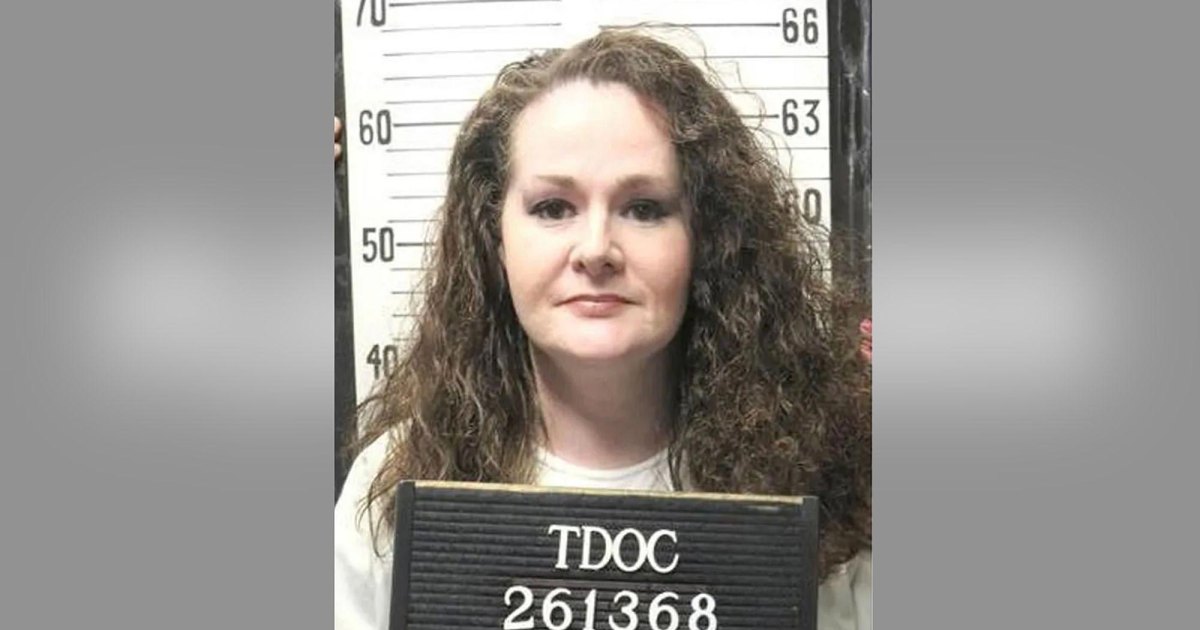
A federal court filing by Christa Pike's lawyers argues that prison officials are breaching a settlement agreement previously reached with the state by holding her indefinitely isolated in a prison infirmary following her failed execution in Tennessee.
According to the filing, Pike spent multiple days on a ventilator and over a week in the medical intensive care unit at a hospital after the botched execution attempt on September 30. After her hospital discharge on October 9, she remained isolated from other inmates at the Debra K. Johnson Rehabilitation Center, violating the 2024 settlement agreement that ended 28 years of solitary confinement.
The Settlement Agreement and Current Confinement Conditions
The settlement agreement, which was reached in 2024, mandated that prisoners receive certain privileges during temporary medical care, including the opportunity to work, eat, and socialize with other women. However, according to the filing, prison officials have refused Pike's reasonable request to be housed with other women receiving temporary medical care. In a declaration supporting the emergency motion, Pike described her current conditions as follows:
"I have a roach-infested shower that I had to clean on my own, which puts me at a high risk of infection and further injury." She also stated that each day she remains in isolation adds to her psychological harm and trauma.
Background on Christa Pike's Case
Pike, the only woman on Tennessee's death row, survived two injections of pentobarbital during the attempted execution on September 30. Since then, she has been held in isolation, despite her injuries, including severe burns, nerve damage, difficulty sleeping, and severe psychological trauma. Her attorneys argue that this renewed isolation is causing her serious psychological harm and trauma, exacerbated by her previous 28 years of solitary confinement.
In response to Us Weekly's request for comment, Tennessee Department of Correction Communications Director Dorinda Carter declined to comment on pending litigation, stating "it is our policy not to comment on pending litigation."
Next Steps and Unresolved Details
The state has until November 4 to file a response to Pike's attorneys' emergency motion. If the motion is granted, it could lead to changes in Pike's living conditions and potentially pave the way for her eventual release.
Frequently Asked Questions
#### Q: What is the nature of the settlement agreement referenced by Christa Pike's legal team? A: The 2024 settlement agreement ended 28 years of solitary confinement for Christa Pike and mandated certain privileges during temporary medical care, including the opportunity to work, eat, and socialize with other women.
#### Q: How did the emergency motion filed by Christa Pike's attorneys challenge current conditions of incarceration? A: The motion argues that prison officials are breaching the settlement agreement by holding Pike indefinitely isolated in the prison infirmary following her failed execution, despite her injuries and need for social interaction.
#### Q: What are the consequences of Christa Pike remaining in isolation? A: According to Pike's declaration, each day she remains in isolation adds to her psychological harm and trauma.
#### Q: What is the next step in the process? A: The state has until November 4 to file a response to Pike's attorneys' emergency motion, after which the court will consider the motion and determine whether to grant relief to Pike.